Since 19 May 2026, the Alsama Project has been a winner of the ‘Global Schools Prize’.
The award recognises the Alsama Project’s exceptional commitment to providing access to education and future prospects for refugee children and young people in Lebanon and Syria. A key reason for this recognition is the community-based approach: a large proportion of the team have personal experience of displacement and play an active role in shaping the educational work.
Furthermore, Alsama enables children and young people to complete an accelerated school programme – ranging from basic literacy to university entrance qualification (G12++) – within just six years at its own educational centres within the refugee camps.
The internationally recognised certificate is equivalent to a high school diploma and, in addition to academic achievement, also confirms the acquisition of important social and practical life skills. This provides graduates with a qualification that is gaining increasing international recognition, opening access to universities and further education across national borders.
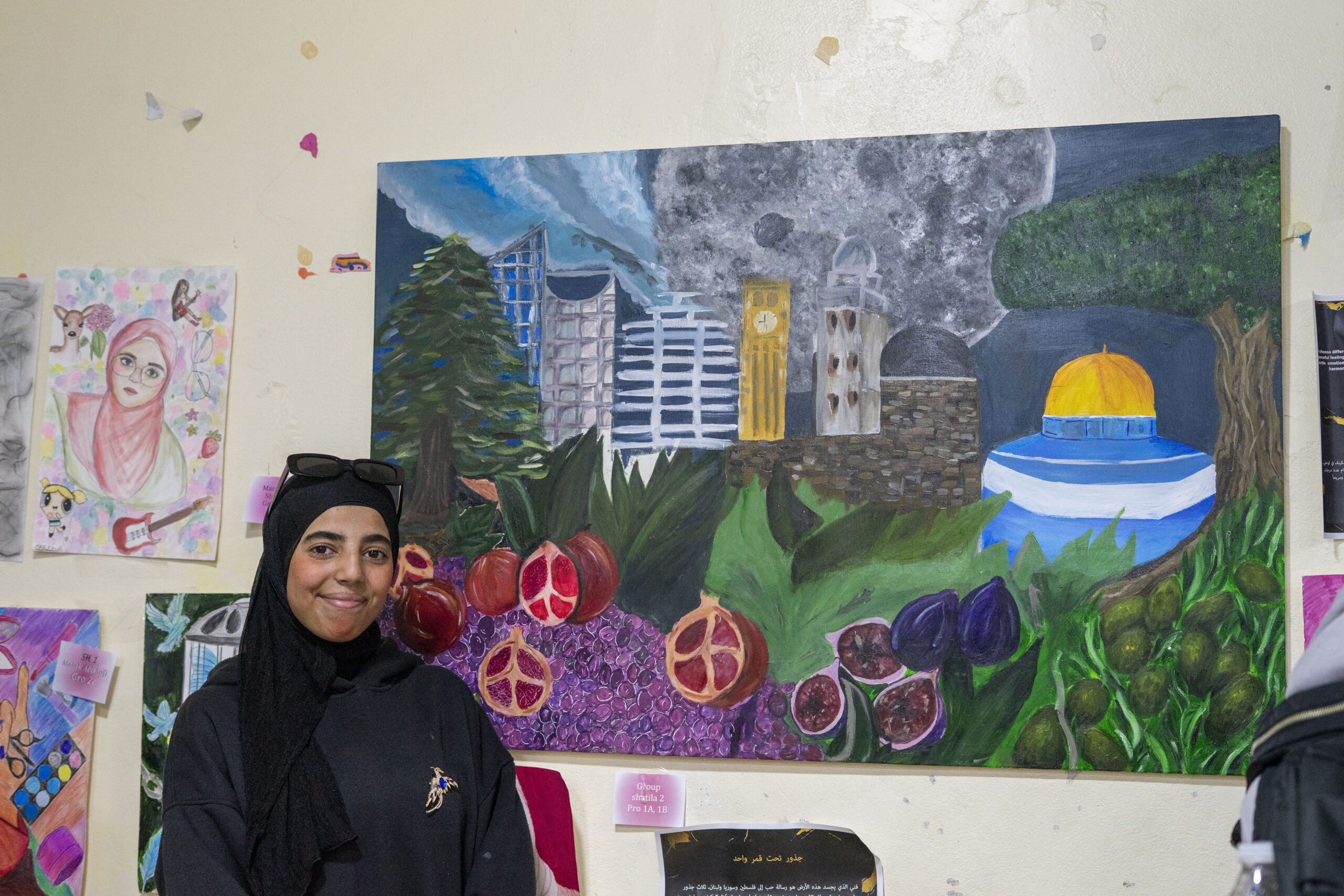
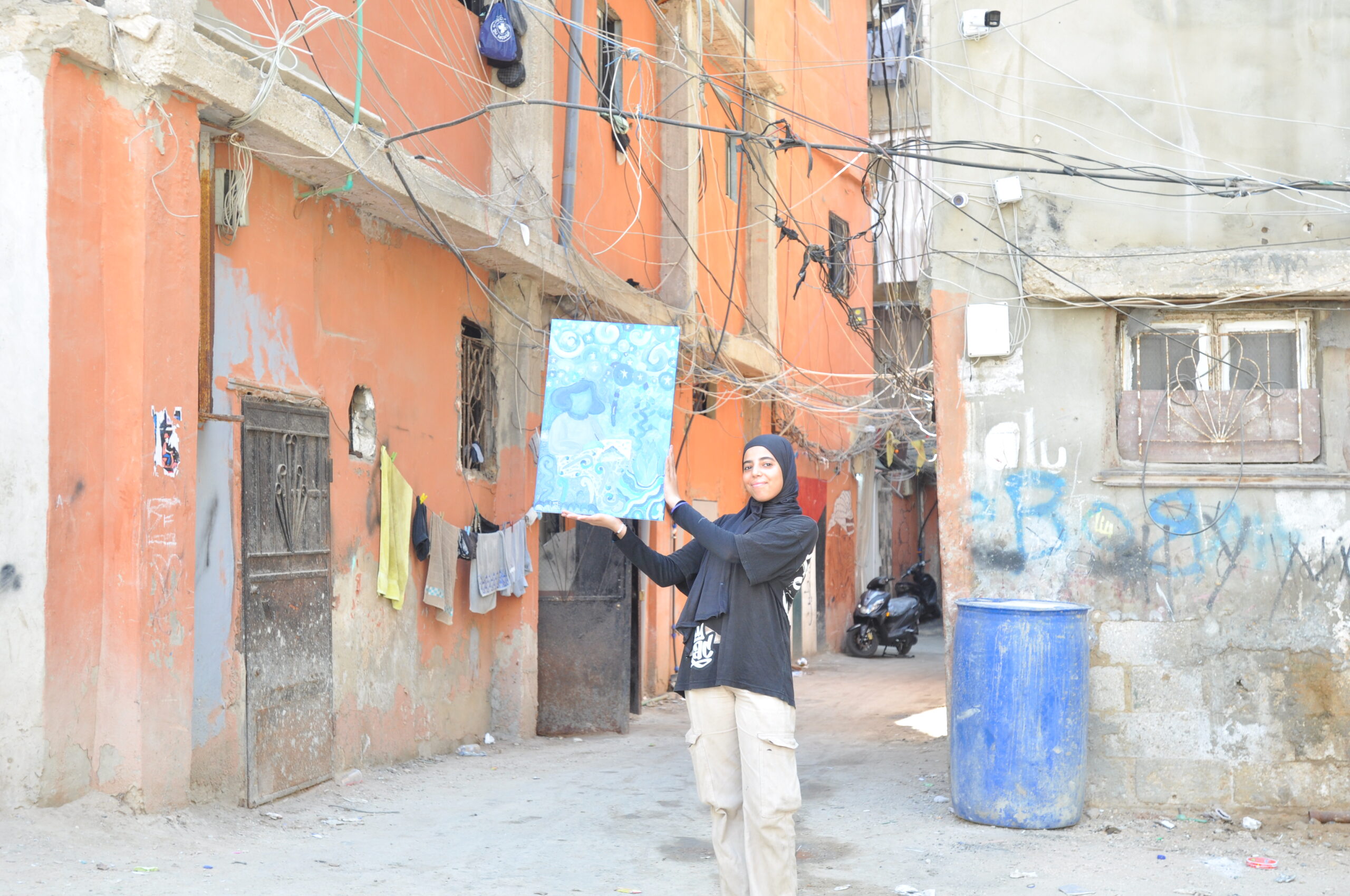
Our partner, Alsama, was founded in 2020 in response to calls from children at the Shatila refugee camp in Beirut for high-quality education. Through a six-year accelerated, accredited and high-quality programme, Alsama paves the way for young people without prior schooling to access higher education and skilled employment opportunities. Alongside standard subjects such as mathematics, Arabic and English, yoga and empowerment sessions are also included in the curriculum. This holistic approach helps to reduce educational inequality among refugee children and young people in Lebanon and helps to prevent child marriage and child labour.
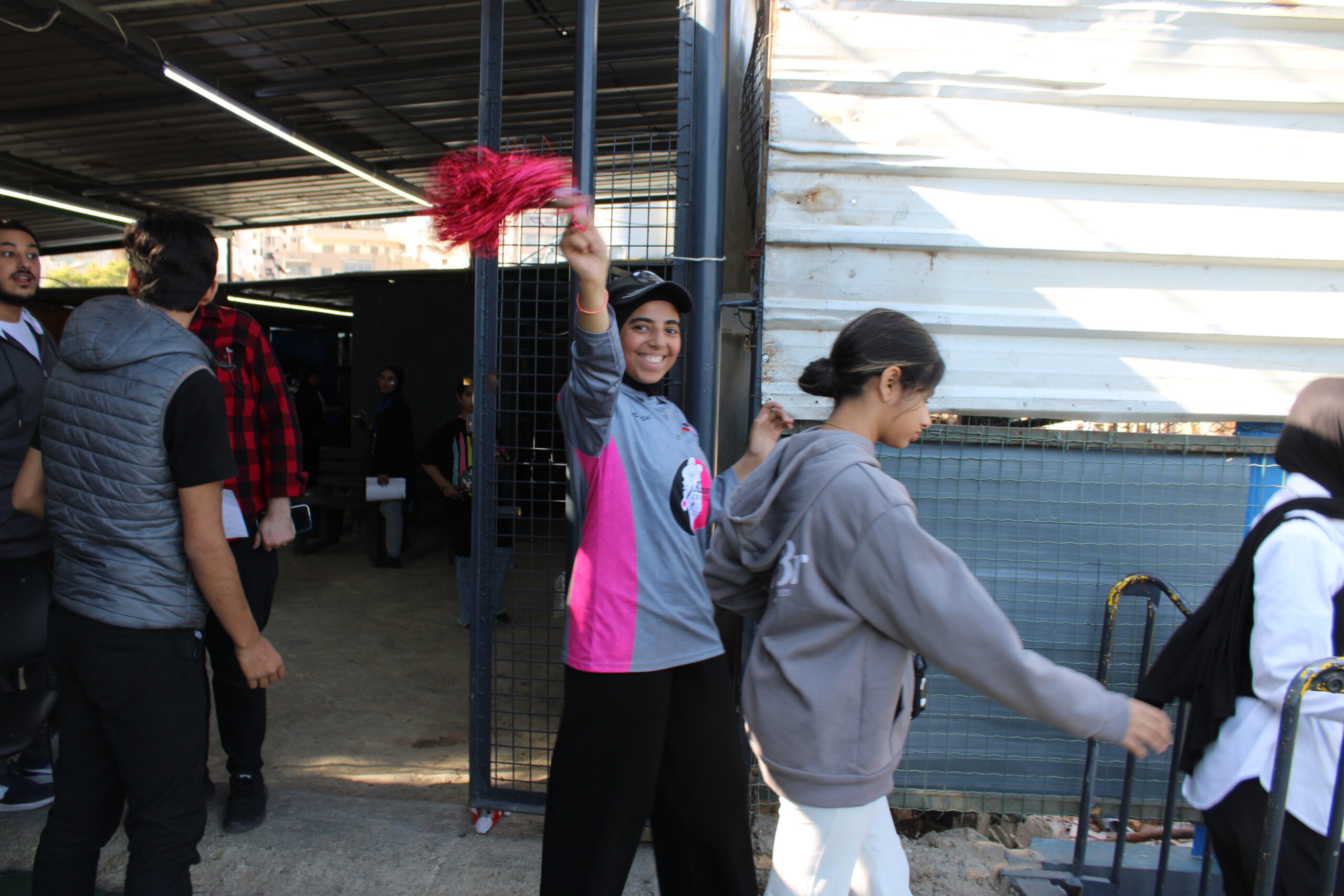
In addition, Alsama offers activities such as cricket training and excursions to strengthen the pupils’ social skills, well-being and sense of community. A psychologist also supports the pupils in coping with trauma, stress and mental health issues. In the long term, this helps to train future leaders who are capable of driving long-term social and economic change.
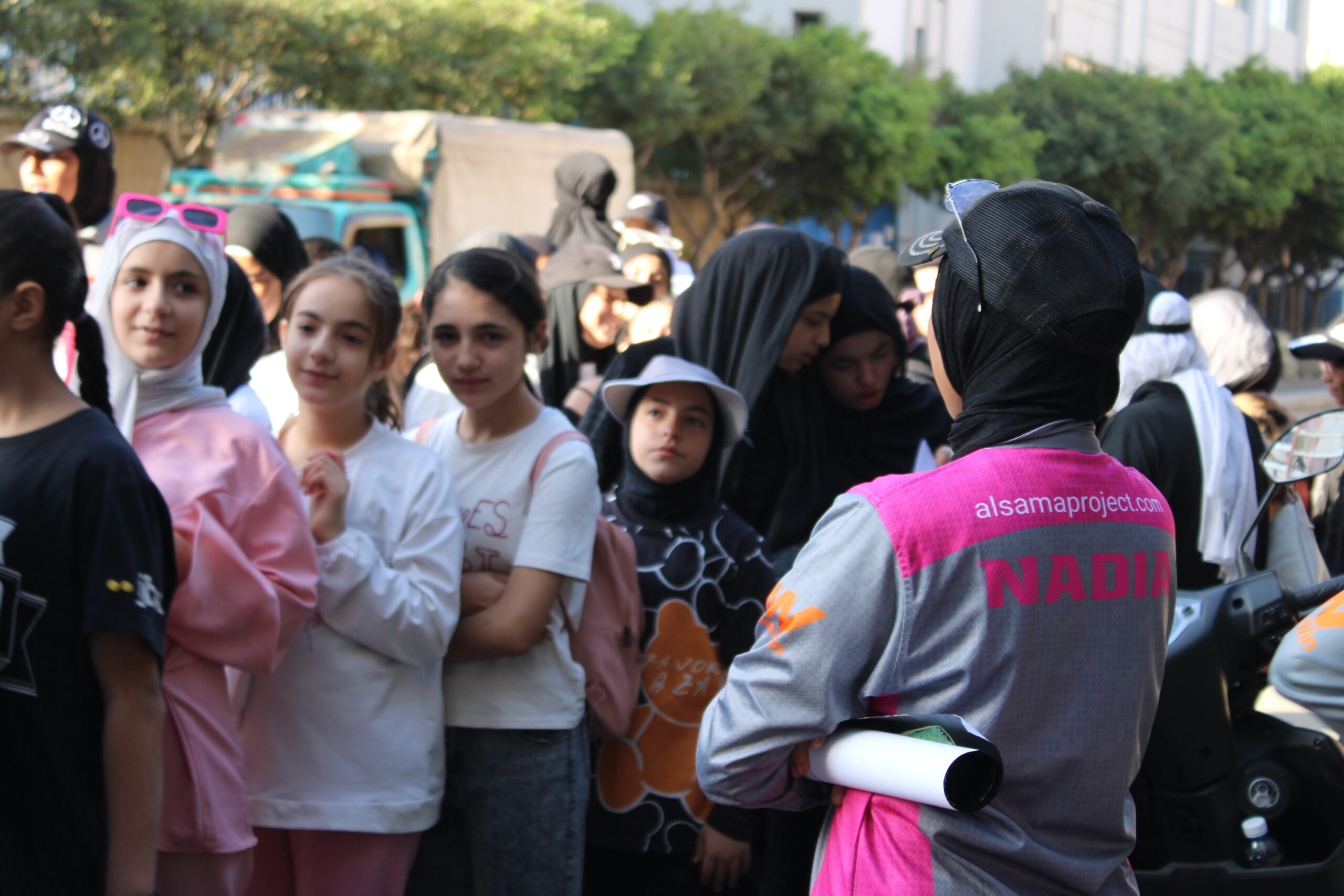
96 per cent of the project staff come from the refugee community or from the Lebanese host society. They understand the realities of life faced by the children and young people in their care, assess needs and challenges realistically, and can communicate with the beneficiaries on an equal footing. They are a key component in the success of our first joint project with Alsama.